
Bathroom Ventilation Explained
The fan and its air pipe need to carry damp air outside, with controls you understand.
Look beyond the visible fan cover
The cover you see is only one part of the bathroom ventilation. The fan needs a suitable route to discharge damp air, and the room needs the intended supply of replacement air. A problem with either can affect performance. When discussing a bathroom refit, ask for the existing arrangement to be reviewed rather than choosing a replacement by appearance alone.
Tell the installer what happens in normal use. Does steam linger, does the fan make a new noise, or has it stopped responding to its controls? Mention whether the problem affects the whole room or one corner. Those observations help identify what needs checking without assuming that a higher advertised fan rating is automatically the solution.
Check where the fan carries air outside
The route from the fan to outside affects what equipment and installation are suitable. The length and bends in the air pipe, and where it opens outside, need to be considered for the chosen system. A fan intended for one situation may not suit another. Ask the person specifying it to check the actual route and follow the product requirements.
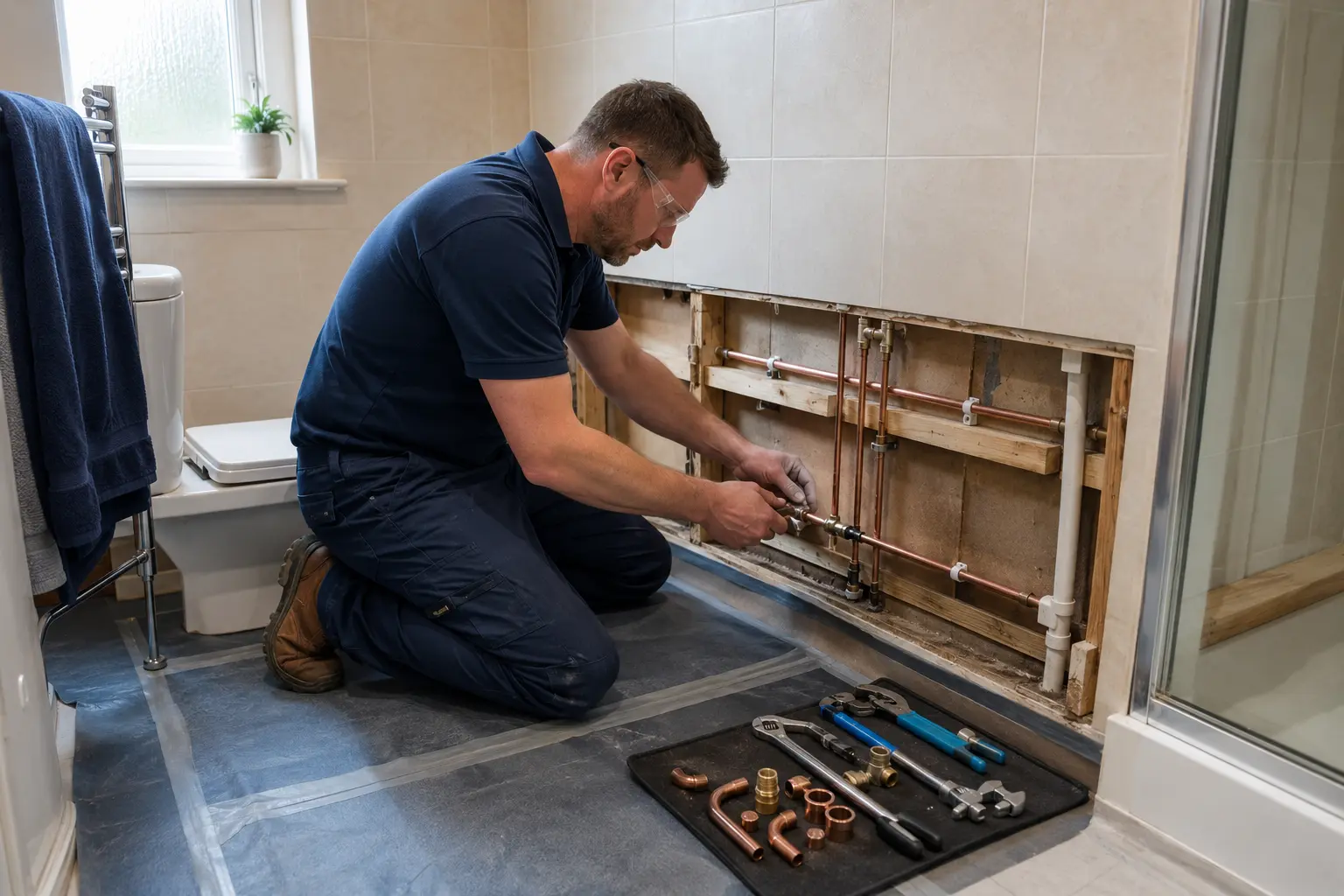
Do not assume an existing grille confirms a satisfactory connection behind it. A review may need access above a ceiling or within boxing. In a shared building, the route may involve communal parts or arrangements that require agreement. Raise this before new bathroom finishes are fitted so any investigation or alteration can be planned and quoted properly.
Understand the controls you will use
Fans can be operated in different ways, including with a light switch, a timer or a moisture-related control. The suitable choice depends on the installation and how the room is used. Ask for the proposed operation to be explained in everyday terms: when it starts, whether it keeps running and what you can adjust.
A household may stop using a noisy or confusing fan even when it is present. Mention those practical concerns before selecting a replacement. Do not disable controls or alter wiring yourself to change its behaviour. Electrical work needs to be carried out appropriately, and settings should follow the guidance for the actual product and room.
Plan access for ordinary maintenance
Dust can collect on grilles and covers, so check the manufacturer's cleaning instructions. Only carry out the maintenance the instructions permit, with the power turned off as directed. If a cover cannot be reached safely, ask about access rather than climbing on bathroom fittings. Never stand on a toilet, basin or bath edge to reach a ceiling fan.
During a refit, leave access to parts that may need cleaning or repair. Ask which parts may need attention later and keep their model details. A neat ceiling or wall finish should still allow the intended maintenance. If the fan develops unusual noise or stops working, have it checked instead of leaving the bathroom without its normal ventilation.
Coordinate the fan with the rest of the room
Shower use, room shape, cold surfaces and existing damp can all affect the discussion, but a fan alone does not repair every moisture problem. Point out leaks, damaged seals and persistent stains. The source of unexplained damp should be investigated before it is hidden behind panels or decoration. Different causes require different work.
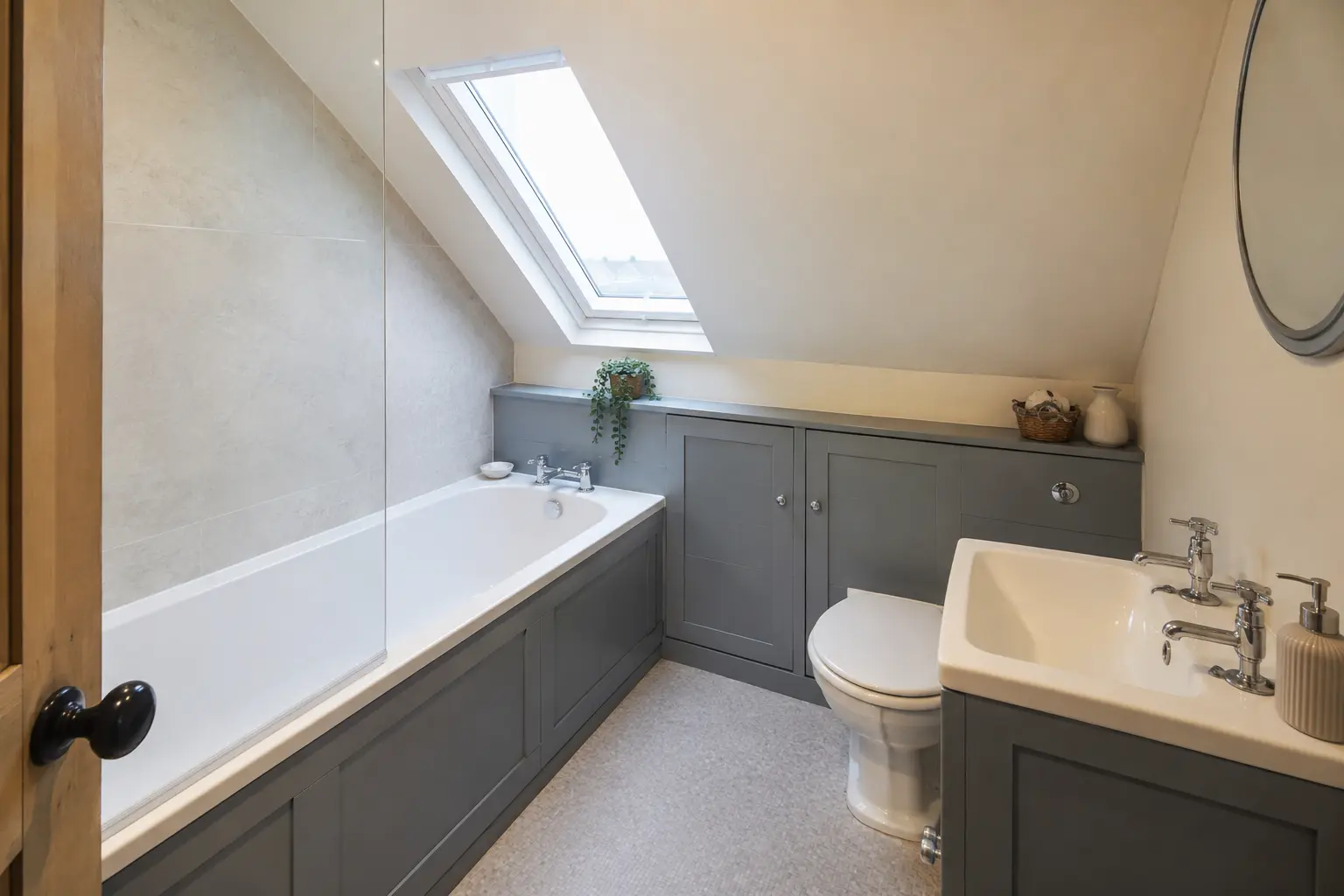
When the layout changes, review whether the existing ventilation remains suitable. Keep the selected lighting, wiring and wall or ceiling work coordinated so alterations happen at the right stage. Ask whether the quote includes the fan, air pipe, outside opening and electrical work, rather than assuming the visible fan price covers the whole job.
Check relevant requirements for the property
The appropriate installation needs to follow the requirements that apply to the work and property. Do not rely on a generic online airflow number without checking how it applies to your room and system. Ask the qualified person responsible to explain what is proposed and any documentation or checks included with the installation.
Where the property has a landlord, shared services or restrictions affecting outside alterations, confirm the necessary arrangements before work begins. This guide cannot determine permissions for an individual address. Resolving the outlet route and responsibilities early is more useful than discovering a problem after the bathroom has been tiled and a new fan has arrived.
Know what to expect after fitting
At handover, ask for a demonstration of the controls and an explanation of cleaning and maintenance. Keep the instructions with the bathroom paperwork. If a timer continues after the light is off, understand whether that is the intended operation. If performance seems wrong, describe what happens and how long the room stays wet after ordinary use.
Continue sensible drying habits and attend to leaks promptly. If damp persists despite a working extraction arrangement, have the cause investigated rather than repeatedly changing the fan. Suitable bathroom ventilation is part of keeping the room dry and usable; it works alongside the building, finishes and household routine, not independently of them.
Planning this work in Derry? See our bathroom ventilation in derry page for the service and how to request a quote.