Updating Old Bathroom Plumbing
Check the existing pipes, water supply and drains before choosing new bathroom fittings.
Start with the fittings you want to use
New taps and showers must suit the water system serving the home. The appearance of a fitting does not tell you whether it will work with the available supply. Explain which bathroom changes you want, then have the existing arrangement checked before ordering. This is especially useful when changing from a bath tap to a different type of shower.
Mention weak flow, temperature changes and slow drainage. Say whether they happen all the time or only when another tap or appliance is running. That information helps the plumber decide what to investigate. Buying a more expensive shower does not necessarily resolve a supply problem, and a larger shower head may have different requirements from the old one.
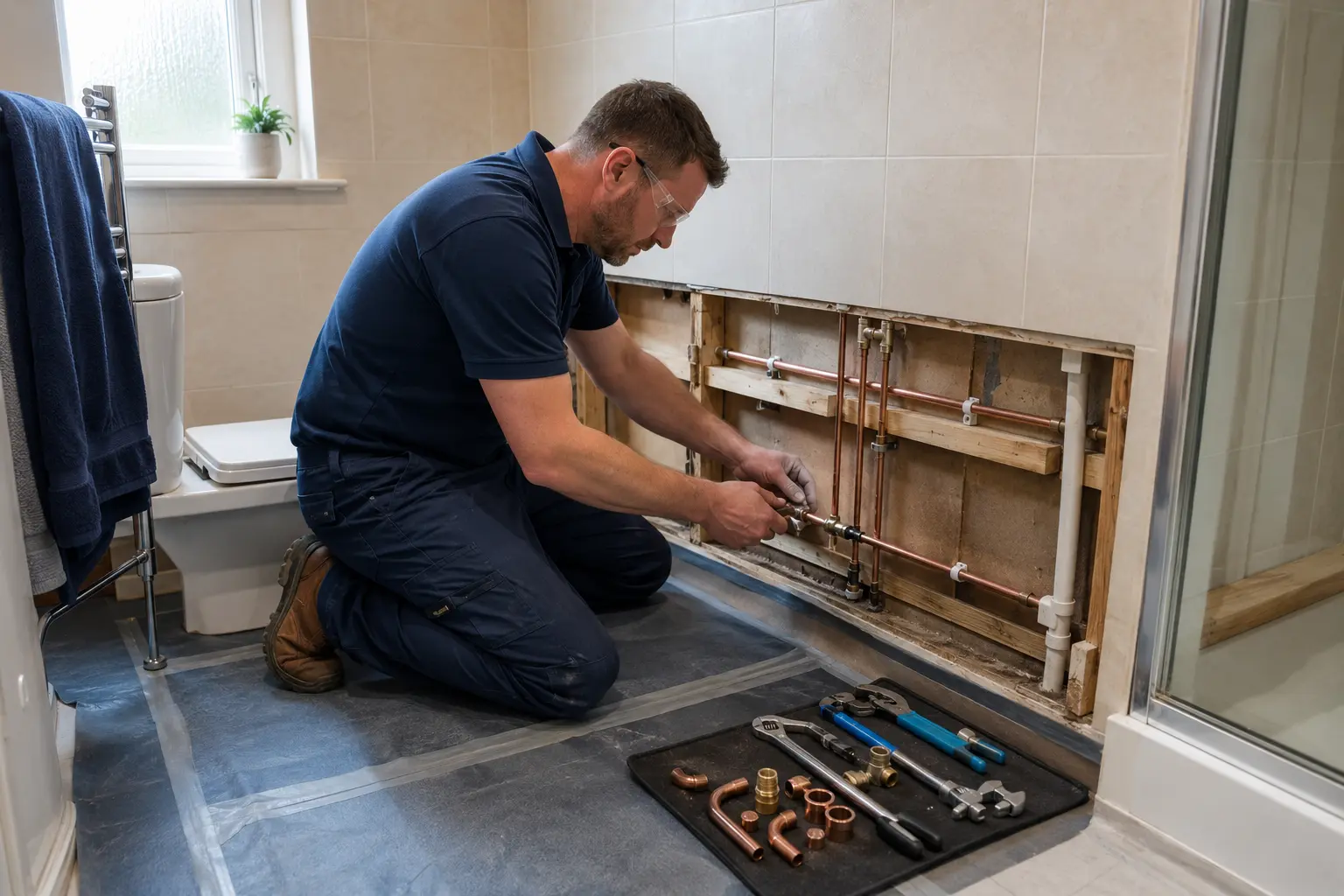
Find out which pipes can stay
Old pipework is not automatically unsuitable, but its condition and connections need checking. Some parts may remain while others need replacing for the new layout. Ask which pipes have actually been inspected and which are concealed. A survey of a finished bathroom cannot confirm every connection behind the walls or beneath the floor.
Once old fittings are removed, previously hidden problems may become visible. Agree how these will be explained and priced before additional work goes ahead. Photographs of exposed connections can be helpful for future reference. Avoid an arrangement where unknown repairs are treated as unlimited extra work without discussion, or where sound pipework is replaced without a stated reason.
Understand the work involved in moving fittings
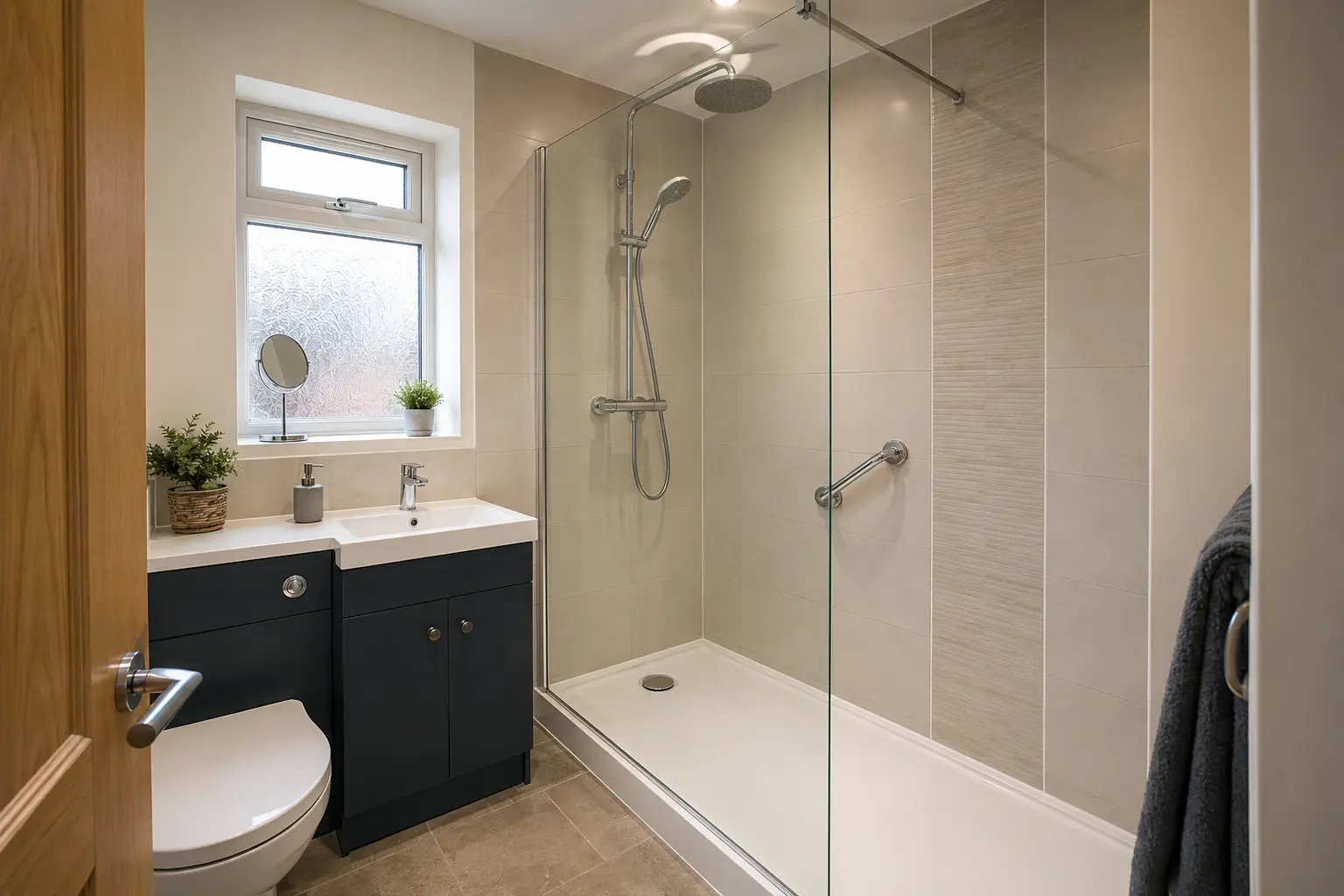
Moving a basin or shower changes more than the location of the visible fitting. Water pipes and the waste connection need a suitable route, with enough room for installation and later access where required. The condition and construction of the floor can affect what is practical. A drawing showing a new position should be checked against those constraints.
Moving a toilet can be particularly dependent on the position of the pipe that carries waste from it. Ask whether the proposed route is suitable and what building work it involves. A layout that looks tidy on paper may need more disruption than keeping a sensible existing position. Compare both options before deciding that a move is essential to the new bathroom.
Leave access for plumbing repairs
Discuss how water can be turned off for future repairs. Furniture, bath panels and boxing should allow appropriate access to the parts that need it. A neat finish is helpful, but sealing every connection behind an inaccessible surface can make a later repair more disruptive. Ask the installer to show you the relevant access points at handover.
Do not remove panels or operate unfamiliar valves yourself simply to prepare for the visit. Explain what you know about the system and let the person doing the work decide what needs opening. If an existing stop tap is difficult to reach or appears stuck, mention it early so the installation plan can account for it.
Coordinate plumbing with walls and flooring
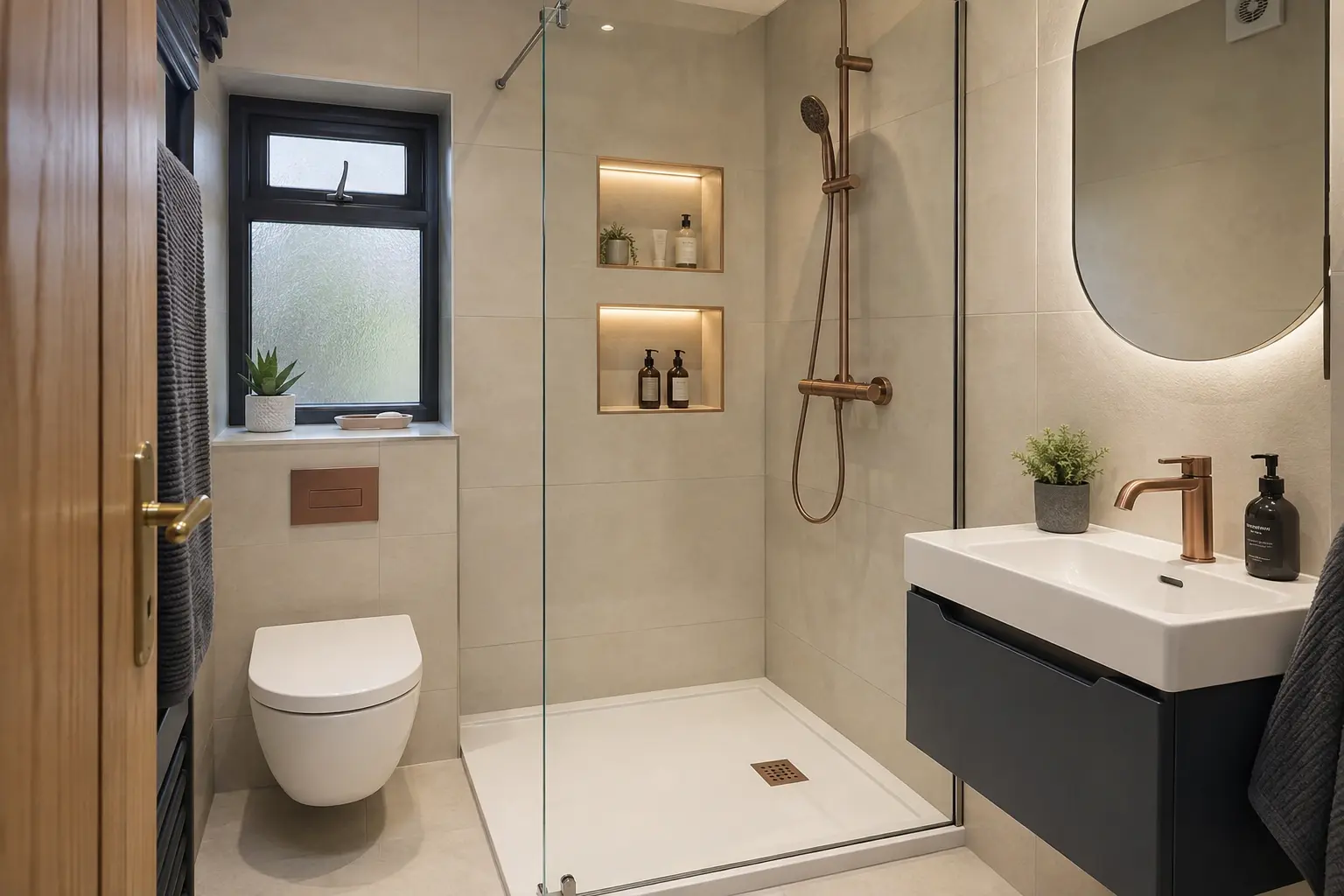
Connections and pipe routes usually need attention before new surfaces are finished. Agree the bath, basin, toilet and shower choices in time for their dimensions to be checked. A last-minute product substitution can put the waste or supply connections in a different place, even when two items look similar in photographs.
Ask what will happen to walls and floors opened for plumbing work. The quote should explain the preparation and finishing included, not stop at connecting the new product. Check whether adjacent rooms may be affected by access. If another trade is needed, clarify who arranges the visit and whether its cost forms part of the bathroom quotation.
Make testing part of the handover
Before using the room normally, have the new fittings and their controls explained. The installer should complete the appropriate checks on connections, drainage and operation. Ask about any change in how the shower or taps work. Keep the product details so replacement parts can be identified later without guessing from the appearance alone.
If a drip, unusual noise or drainage problem appears after installation, report what happens and when. Stop using a fitting if continuing would allow water to escape into the building. Do not conceal a leak with more sealant before the cause has been checked. Your installation records and photographs can help explain the arrangement to the person inspecting it.
Keep the quote specific
Look for a clear list of the plumbing alterations included, alongside the selected products. Ask which existing parts are intended to stay and which remain subject to inspection. That wording is more useful than a broad promise of all plumbing, because it explains the actual job and how hidden problems will be handled.
Compare quotations on that same basis. A lower total may reflect keeping the existing layout or excluding repairs that another quote includes. Ask for the difference to be explained in ordinary terms before deciding. The purpose is a bathroom whose fittings work with the home, with the work and price understood beforehand.
Planning this work in Derry? See our complete bathroom fitting in derry page for the service and how to request a quote.